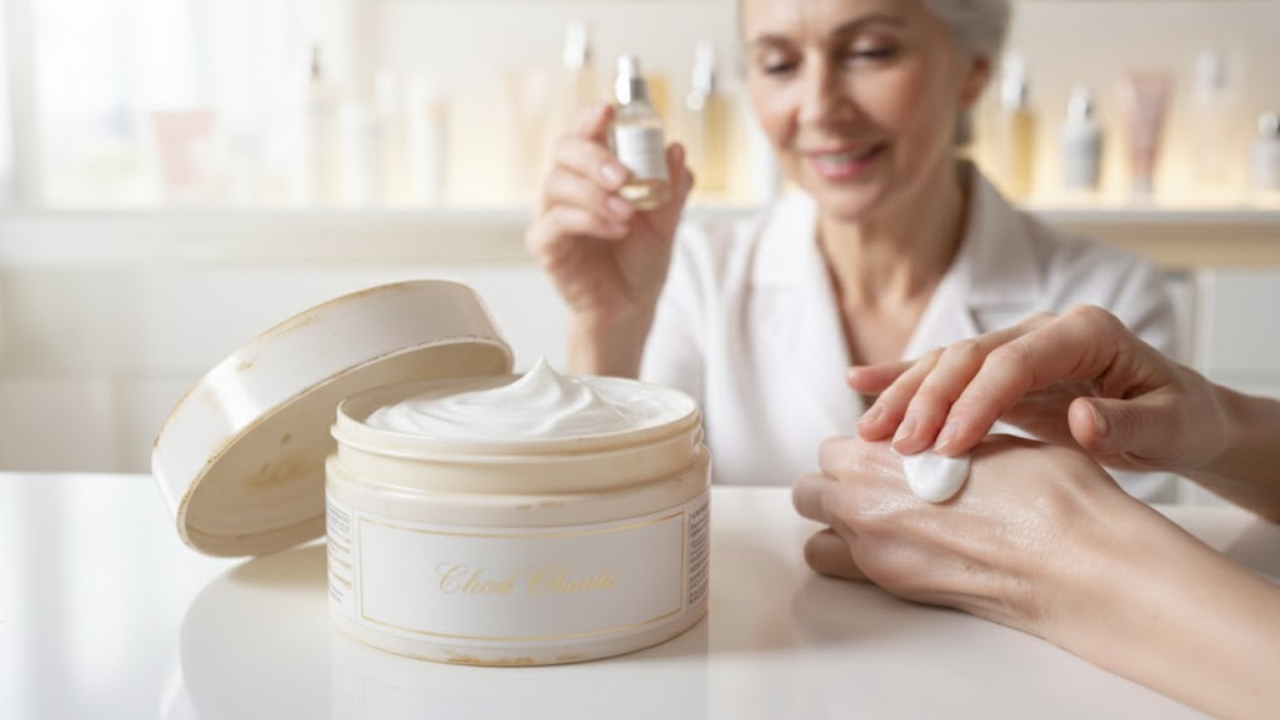
You can recognise the bottle long before you can read the label.
A slightly faded plastic tub, a cap that doesn’t quite shut, and packaging that looks like it hasn’t changed since your grandmother kept one in her medicine cabinet. While glossy, influencer-approved moisturisers dominate Instagram, this one sits quietly on pharmacy shelves—unbothered, unchanged, almost stubborn.
Yet, for months, dermatologists across the UK, Europe, and the US have been saying the same thing:
This plain, “unfashionable” moisturiser is outperforming almost every premium cream on the market.
No celebrity endorsements.
No marble-bathroom marketing campaigns.
Just a thick, clinical-smelling cream that has suddenly been crowned number one by experts.
Why Dermatologists Are Choosing a Cream That Looks Like It Belongs in 1994
Ask a dermatologist what moisturiser they use at home—and the answer is rarely one of the viral brands lining beauty shelves.
Instead, they almost always mention a pharmacy staple: the kind of cream you find next to antiseptic wipes and bandages.
The secret? Old-school formulas work.
These creams tend to include:
- Glycerin to draw in moisture
- Petrolatum or mineral oil to lock it in
- Minimal fragrance
- No essential oils or gimmicky actives
They are designed for one purpose: to repair the skin barrier, not to showcase trendy ingredients.
Dermatology clinics have been quietly recommending these creams for decades. Some experts admit they’ve been relying on the same tub since medical school. Many even keep an extra jar at work to rescue patients who over-exfoliate or go too hard on retinol.
And patients love them for simple, practical reasons:
- Affordable enough to apply generously
- No burning or stinging after harsh skincare
- No artificial scent lingering all day
- Immediate relief for tight, inflamed, or overworked skin
As one nurse put it, this moisturiser is “the cream that gets people out of trouble.”
Why This ‘Boring’ Moisturiser Beats Trendy Products
Skincare trends change fast—but the skin barrier hasn’t evolved. It still needs:
- Water
- Lipids
- Protection
- Consistency
Luxury creams often come with fragrance, essential oils, unstable actives, or marketing-forward formulas. Old-style moisturisers, on the other hand, stay almost identical year after year. They are tested not just in labs but in:
- Hospitals
- Dermatology clinics
- Harsh winters
- Sensitive skin conditions
In other words, they work under real-life stress.
**Skin doesn’t care about aesthetics.
It cares about stability.**
Strip away the fancy packaging and influencer campaigns, and what remains is the reason dermatologists rank this cream number one: trust.
How Dermatologists Recommend Using This Moisturiser
The formula matters—but technique amplifies the results. Experts recommend using it like a treatment, not an afterthought.
✓ Apply on slightly damp skin
Don’t fully dry your face after cleansing. Pat lightly, then apply the cream.
This helps seal water into the skin.
✓ Use a “sandwich method” for sensitive areas
- Light hydrating serum
- Old-school moisturiser
- Tiny dab over dry patches before bed
Perfect for windburn, retinol irritation, and winter dryness.
✓ Don’t fear the thick texture
Rich creams aren’t automatically pore-clogging.
Dermatologists emphasise checking the ingredient list—not judging by appearance.
✓ Stay consistent
Skin thrives on routine.
A plain moisturiser used twice daily beats a chaotic 10-step lineup every time.
The Quiet Revolution Happening in Skincare
Part of the reason this nostalgic, no-frills moisturiser has gone viral among professionals is what it represents:
A rebellion against over-complicated beauty routines.
People are exhausted by:
- Constant product launches
- Multi-step routines
- Skin irritation from too many actives
- Paying premium prices for “results” that never come
And then they discover a £5–£10 pharmacy cream that:
- Reduces redness
- Calms irritation
- Makes makeup sit better
- Softens the skin
- Works within days
The shock is predictable — and strangely comforting.
**Sometimes the best skincare isn’t new.
It’s what has been quietly working for decades.**
Key Takeaways
| Key Point | What It Means | Why It Helps You |
|---|---|---|
| Simple formula | Glycerin + occlusives + minimal extras | Fewer reactions, ideal for sensitive skin |
| Dermatologist-approved | Used in clinics, hospitals, after treatments | Trustworthy and effective |
| Affordable | Cheap, accessible, large tubs | You can use it generously without guilt |
FAQs
1. Is an old-school moisturiser really better?
For many people—especially those with sensitive or over-treated skin—yes. It’s more reliable and less irritating.
2. Is it safe for acne-prone skin?
Yes, if it’s non-comedogenic. Thick doesn’t always mean pore-clogging.
3. Should I stop using serums?
Not necessarily. But dermatologists often recommend a “simplify and reset” phase for irritated skin.
4. Does it replace anti-ageing products?
It doesn’t replace retinoids or sunscreen, but it strengthens your barrier—making anti-ageing ingredients work better.
5. How long until I see results?
Most people feel calmer, less tight skin within days. Full barrier recovery often takes 3–4 weeks.